01
Farm steward
Profile 01
Whole-farm care, visitor rhythm, and long-term stewardship.
About the farm
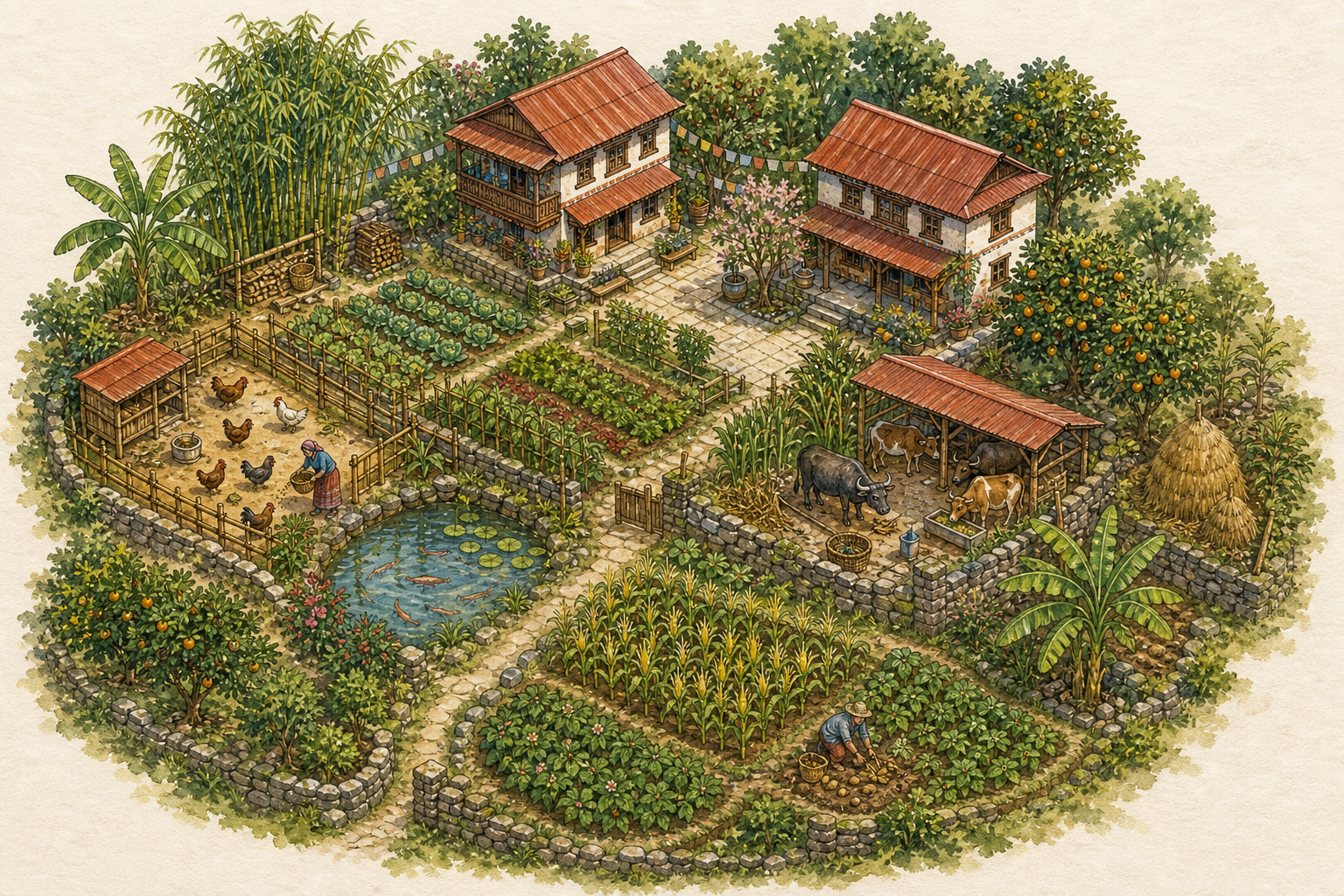
Chhahari is a working ecosystem where production, learning, animals, water, soil, and community relationships stay connected.
About the farm
Use the map to move between the farm's main systems. Each point names a living part of the site rather than a detached attraction.
Humans
This section keeps separate slots for individual people, communities, and partners.
01
Farm steward
Whole-farm care, visitor rhythm, and long-term stewardship.
02
Agroecology lead
Field decisions, agroecology practice, observation, and demonstration learning.
03
Kitchen garden keeper
Karesa, daily vegetables, herbs, nursery care, and household-scale growing.
04
Food forest keeper
Layered planting, tree health, understory diversity, shade, and habitat.
05
Animal care lead
Feeding, shelter, animal health, manure flow, and visitor safety.
06
Aquatic system keeper
Pond edges, fish life, ducks, water quality, and aquatic habitat.
07
Soil and compost lead
Compost cycles, soil biology, mulch, and oceans of microbes demos.
08
Learning facilitator
Farm tours, child learning, youth sessions, and workshops.
09
Community coordinator
Neighbor, producer, volunteer, and community experience relationships.
10
Market and harvest coordinator
Seasonal harvest, buyer inquiries, product flow, and source stories.
11
Research and documentation lead
Student visits, partner research, photography, records, and publications.
People living around the farm who shape daily context, local knowledge, labor, and shared responsibility.
Children, youth, families, students, volunteers, and interns who learn through guided farm work.
Farmers and local makers connected through seasonal food, collaboration, and community value chains.
Education partners for farm visits, research questions, field learning, and student documentation.
Program partners for agroecology, livelihood, climate resilience, and community learning work.
Restaurants, households, and food teams who want produce with a visible source story.
Animals
Cow, fish, duck, chicken, and dog are shown as part of the working farm system.
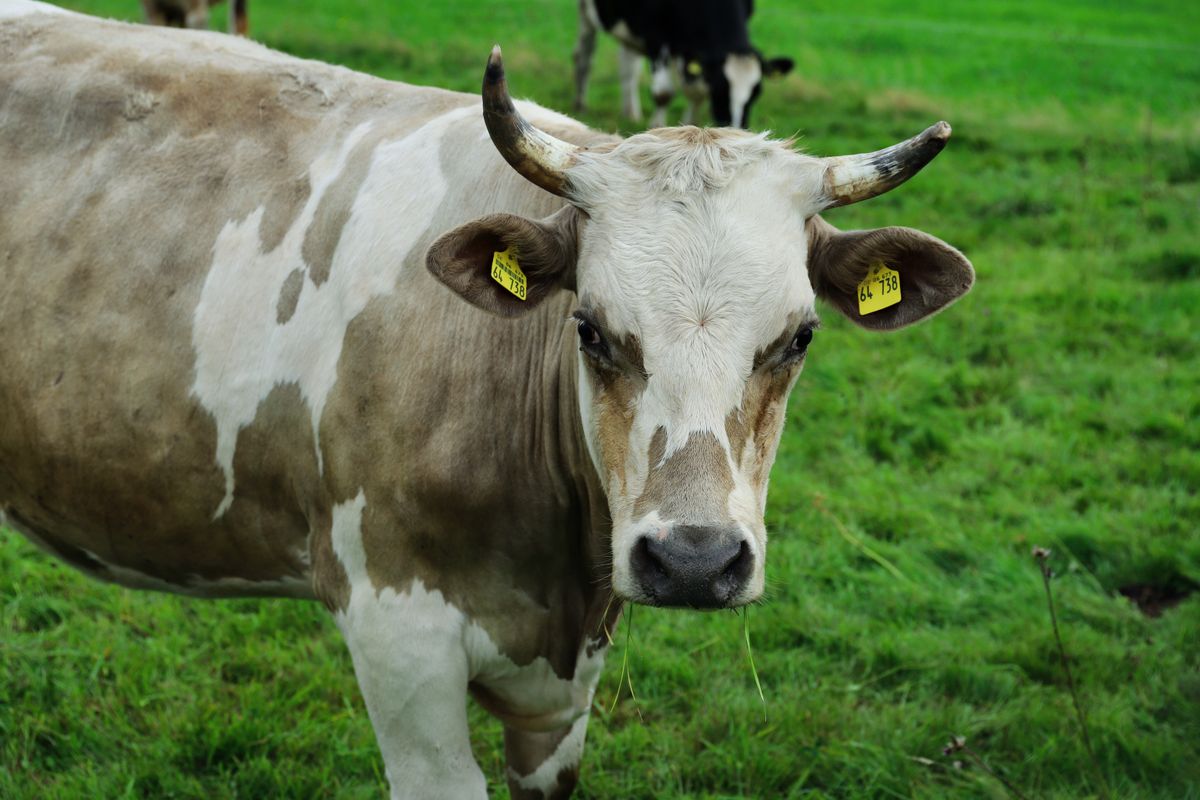
Manure, grazing, education, and animal-human relationship.
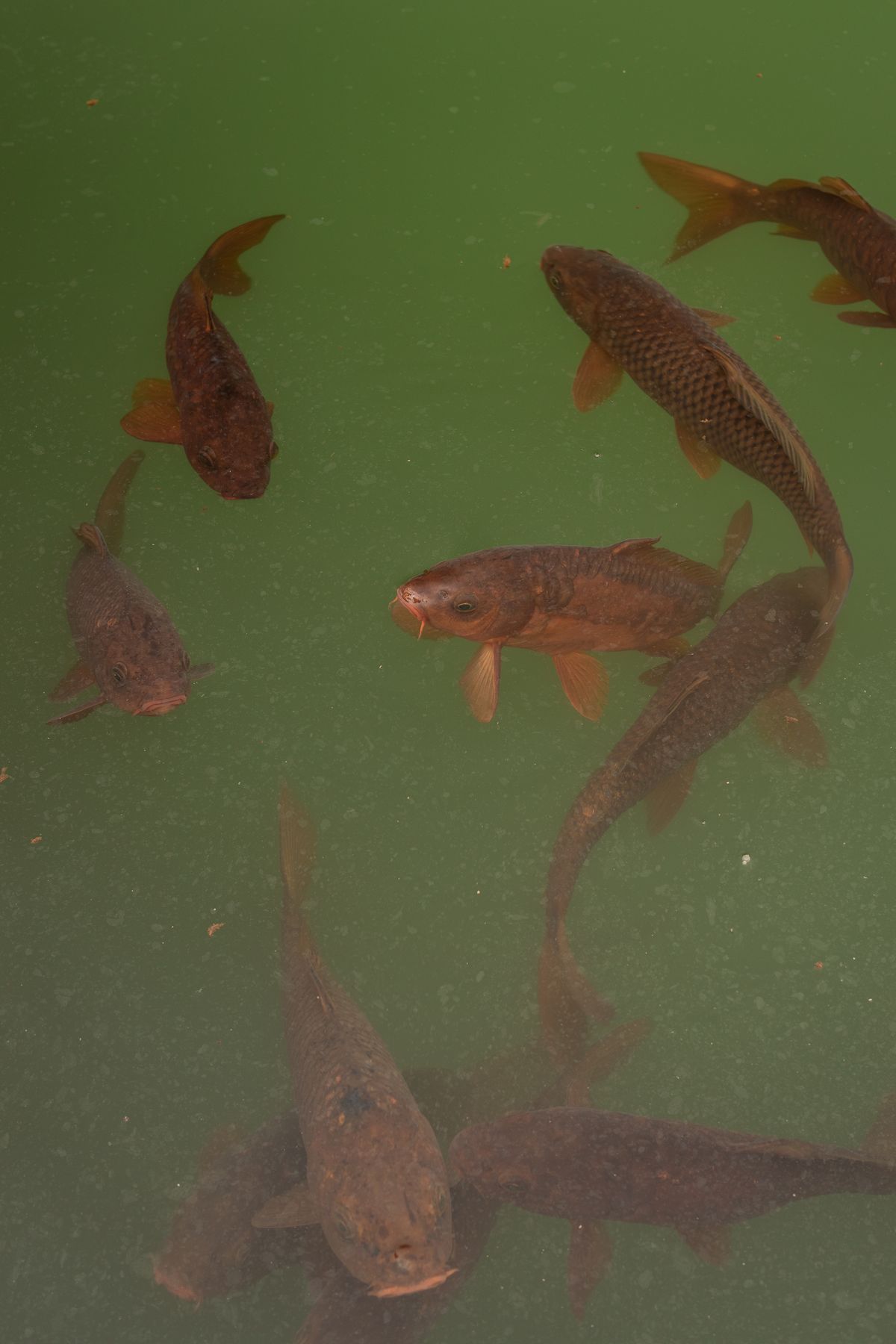
Aquatic life, water observation, and food-system learning.
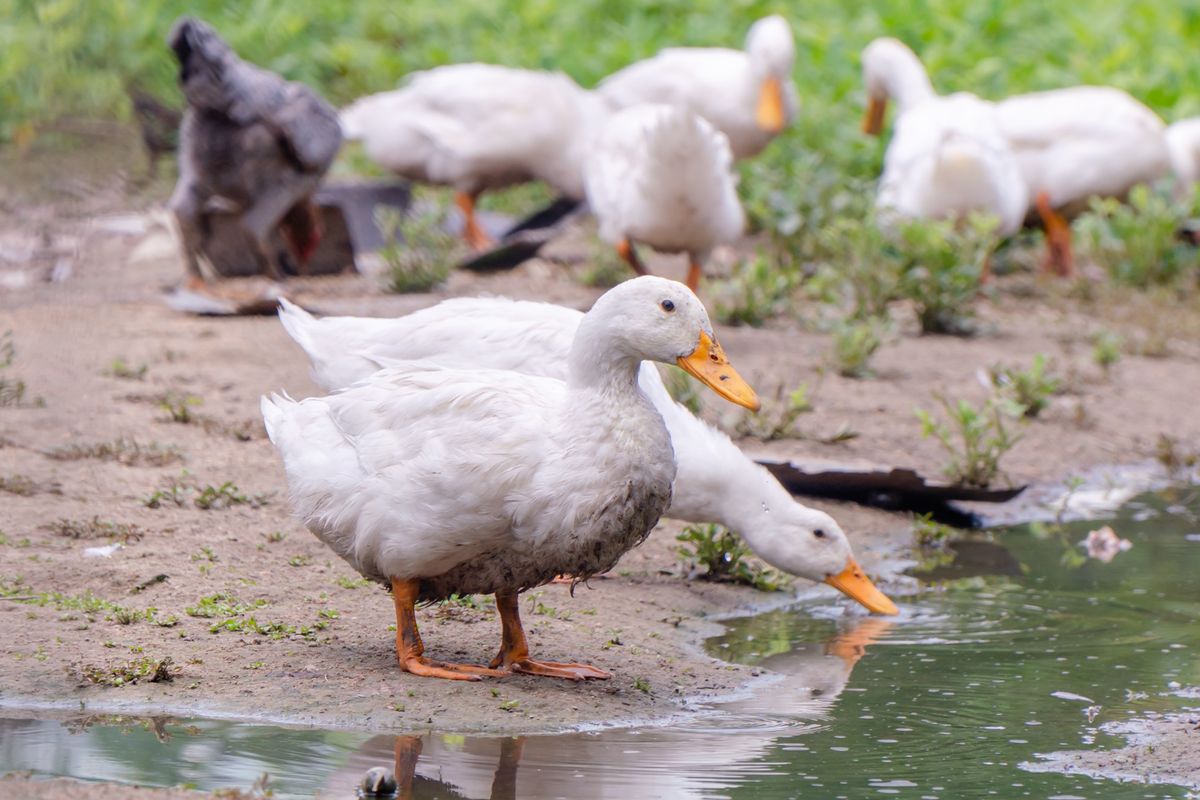
Pond activity, pest control learning, and aquatic integration.
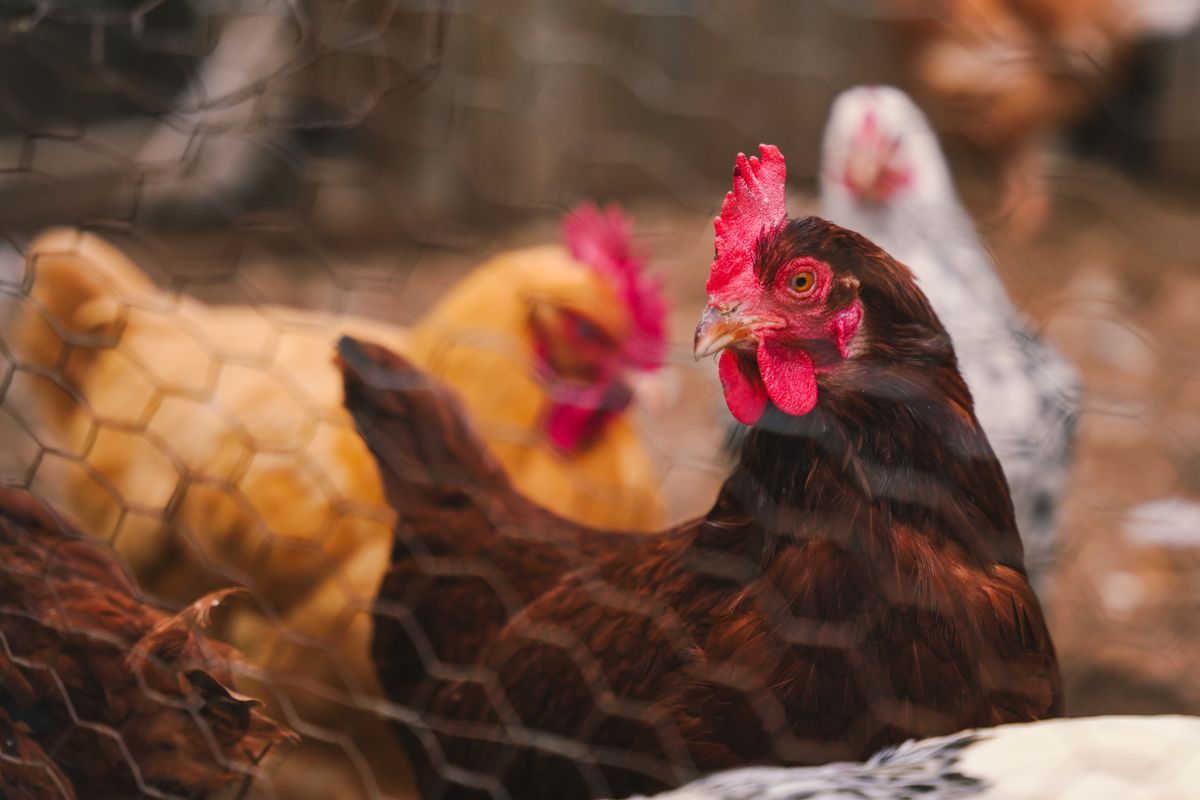
Scratching, eggs, compost interaction, and daily farm rhythm.
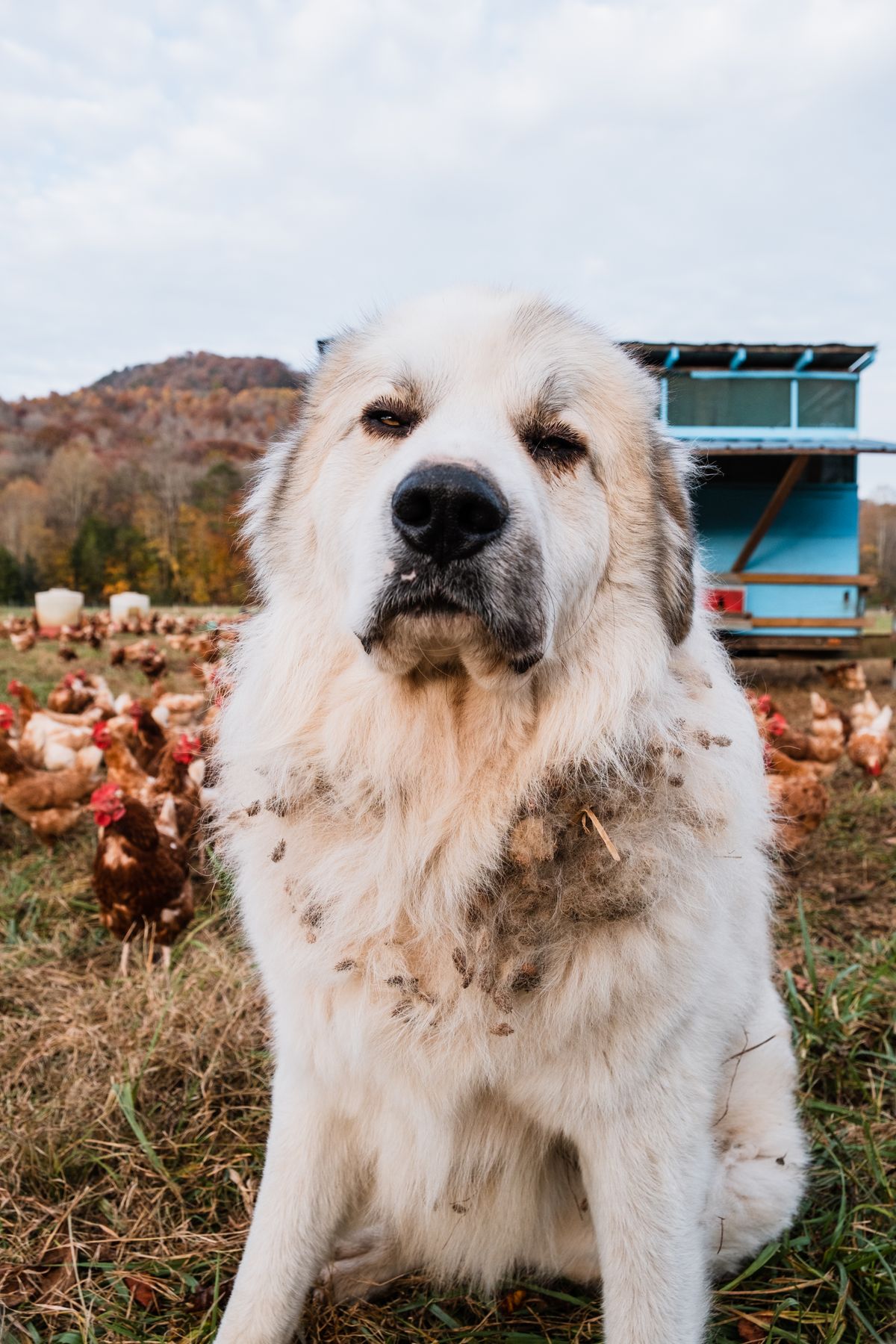
Farm companion, safety presence, and place identity.
Plants
The plant section follows the farm systems list: forest, garden, aquatic, microbial, contribution, and multilayer models.
01
Dense, biodiversity-first planting for shade, habitat, soil cover, and ecological observation.
02
A layered food system that mixes trees, shrubs, herbs, ground covers, roots, and seasonal crops.
03
A close-to-home garden for daily cooking, herbs, seed practice, and household learning.
04
Pond edges, water plants, fish, ducks, and habitat that connect water to production.
05
Compost, soil biology, mulch, and decomposition made visible as the farm's invisible workforce.
06
A shared plot where learners, visitors, and partners can leave a visible contribution.
07
A demonstration of canopy, understory, herb, root, ground-cover, animal, and human layers working together.